Source Tractor Traction Water Tank Trailer for Farm Irrigation, Construction, and Fire Fighting
Compare 30 verified Tractor Traction Water Tank Trailer listings from Chinese manufacturers. Buyers can review specifications like load capacity, volume, and material grades to find suitable options for agriculture, construction, and industrial transport needs.
Key considerations
Products List


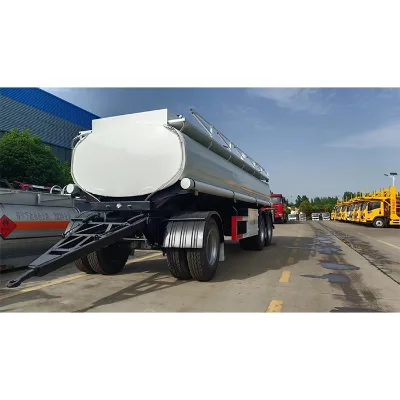
3 Axles 40000 Liters Water Tank Trailertractor Trailer Fuel Tanker Trailer for Sale
$5000.00 - $18000.00
MOQ: 1 Pieces


Durable Water Tanker Truck Trailer for Long Distance Transportation
$16923.00 - $19500.00
MOQ: 1 Pieces

500 Gallon Water Tank on Trailer Agriculture Trailer Water Tank 5000lt Water Tractor Trailer
$2300.00 - $3000.00
MOQ: 1 Pieces


High Quality Fuel Tank Semi-Trailer Fuel Tank Trailer Water Truck Trailer for Sale
$11000.00 - $11500.00
MOQ: 1 Pieces




Comprehensive Sourcing Guide
Strategic Sourcing Guide for Tractor Traction Water Tank Trailers
Understanding the Product Category and Core Specifications
When sourcing a Tractor Traction Water Tank Trailer, buyers must first distinguish this equipment from standard agricultural dump trailers or heavy-duty fuel tankers, as the terminology often overlaps in global marketplaces. The core keyword implies a specialized vehicle designed to be pulled by a tractor, specifically configured for water transport in agricultural or industrial settings. Based on observed market data, these units often share structural DNA with heavy-duty semi-trailers, utilizing robust steel construction to withstand the dynamic loads of liquid cargo.
The fundamental architecture of these trailers typically involves a multi-axle configuration to distribute the weight of the water, which is significantly heavier than dry bulk. In the observed product catalog, specific models such as the SCD9400GYY and the 7CS series indicate a range of capacities and structural designs. The material composition is a critical starting point for evaluation. The supply data explicitly notes the use of Q235 Carbon Steel for tanker bodies and end plates, with main beams often constructed from Q345b Steel. This distinction is vital; Q345b offers higher yield strength compared to Q235, making it suitable for the main load-bearing structures of the chassis, while Q235 provides a cost-effective solution for the tank body itself.
The dimensions of these units vary, with observed specifications including a length of 12,000mm, a width of 2,500mm, and a height of 3,900mm. This size profile suggests a vehicle designed for long-haul transport or large-scale field operations where capacity is prioritized over maneuverability. The volume capacity is equally diverse, ranging from 36,000 liters to 60,000 liters, with options for customization. Buyers must verify if the specific unit they are evaluating is a dedicated water tank or a multi-compartment tanker, as the internal baffle structure significantly impacts the safety and efficiency of water transport.
Technical Configuration and Operational Mechanics
The operational mechanics of a Tractor Traction Water Tank Trailer are defined by its suspension, braking, and steering systems. Unlike smaller agricultural implements that may rely on simple mechanical linkages, these heavy-duty units often feature advanced suspension systems. The observed data highlights the "Cross Arm Type" suspension, which is engineered to absorb road shocks and maintain stability when carrying liquid loads that can slosh and shift. The axle configuration is another critical technical factor; the data points to a tri-axle setup with 13-ton capacity axles, specifically mentioning brands like Fuwa. This configuration is standard for heavy loads but requires verification that the specific supplier's unit matches the required Gross Vehicle Weight Rating (GVWR).
Braking systems are paramount for safety, especially when dealing with high-volume liquid cargo. The observed listings mention an "Air Inflating" air brake type, which is the industry standard for heavy trailers. However, a notable observation in the data is the mention of "No ABS Anti-lock Braking System" in certain contexts. This presents a significant compliance and safety risk for buyers operating in regions with strict safety regulations. A buyer must explicitly confirm whether the unit includes an Anti-lock Braking System (ABS) or relies on traditional air brakes without electronic intervention. The absence of ABS can lead to longer stopping distances and increased risk of jackknifing, particularly on wet or uneven terrain.
Steering mechanisms for the tractor unit are also relevant to the overall system compatibility. The data references both "Wheel Steering" and "Axle Steering" mechanisms, indicating that the trailer's articulation point must be compatible with the towing tractor's steering geometry. The traction pin specifications, ranging from 2 inches (50#) to 3.5 inches (90#), dictate the coupling strength required. Buyers must ensure that the tractor's fifth wheel or pintle hook matches the trailer's pin size to prevent mechanical failure during transit. Furthermore, the tire specifications, such as the 12.00r22.5 size from Tri-Angle Brand, must be matched to the load capacity and the road conditions where the trailer will operate.
Compliance, Certification, and Regulatory Standards
Navigating the regulatory landscape is a critical component of sourcing heavy industrial equipment. The observed product data lists a variety of certifications, including CE, CCC, ISO/TS, SGS, BV, WMI, and ISO9001:2015. These certifications serve as indicators of quality management systems and product safety, but their applicability depends heavily on the destination market. For instance, the CE mark is essential for entry into the European market, while the CCC (China Compulsory Certification) is mandatory for domestic sales in China and may be required for re-export to certain Asian markets.
The presence of multiple standards in the data, such as SGS and ISO9001:2015, suggests that the manufacturing process adheres to international quality management protocols. However, buyers should not assume that every listed product possesses every certification mentioned in the aggregate data. It is the buyer's responsibility to request specific certification documents for the exact model number being purchased. For example, a model listed with "CCC, ISO" certification must be verified to ensure the specific batch or unit has the corresponding physical certification marks.
Additionally, the structural standards for the trailer itself are crucial. The data mentions standards like "SGS, CCC, BV, WMI, ISO" in the context of the product standard. These likely refer to third-party inspection bodies and quality management systems rather than specific engineering design codes. Buyers should inquire about the specific design codes used for the tank construction, such as pressure vessel standards if the water is pressurized, or general road vehicle safety standards for the chassis. The "Heavy Duty" grade mentioned in the material section implies a higher safety factor, but this must be backed by engineering calculations and test reports, which are not explicitly detailed in the provided data.
Cost Drivers and Pricing Dynamics
The pricing of tractor traction water tank trailers is influenced by a complex interplay of material costs, manufacturing complexity, and logistical factors. The observed price range in the market spans from $415 to $19,500 USD. This wide variance suggests a distinction between smaller, perhaps lighter-duty agricultural trailers and the heavy-duty, multi-compartment tankers described in the detailed specifications. The lower end of the range likely corresponds to smaller, single-axle or basic dump trailers, while the upper end reflects the complex engineering of tri-axle fuel or water tankers with large capacities.
Material costs are a primary driver of the final price. The use of Q345b steel for the main beam and Q235 for the body represents a significant portion of the manufacturing cost. Fluctuations in global steel prices will directly impact the unit price. Furthermore, the complexity of the internal structure, such as the number of compartments (2, 3, 4, or custom), adds to the fabrication time and cost. Customization options, including volume adjustments and specific paint colors like the observed "Red," also contribute to the final price.
The Minimum Order Quantity (MOQ) is another factor affecting the cost structure. The observed MOQ range is between 1 and 10 units. Buyers purchasing a single unit may face a higher per-unit cost compared to those placing an order for a fleet of ten. Logistics and packaging also play a role; the "Standard Export Package Iron Case" or "Bulk Ship" options imply different shipping costs. Buyers must calculate the total landed cost, including freight, insurance, and import duties, rather than focusing solely on the factory gate price. The "Standard" packing versus "Accordingly" packing noted in the data suggests that packaging can be tailored to the shipment method, which may incur additional charges for specialized crating or containerization.
Typical Applications and Operational Context
The application field for these trailers is predominantly agriculture, as indicated by the "Farming Policy: Paddy Field Machinery" and "Application Field: Agriculture" tags. However, the heavy-duty nature of the tri-axle, 60,000-liter capacity units suggests a broader utility. These trailers are suitable for large-scale irrigation projects where water needs to be transported from distant sources to arable lands. The "Continuous Running Operation" capability highlights their suitability for long-duration tasks without frequent maintenance stops.
Beyond agriculture, the design of these tankers makes them viable for industrial applications. The "Tri Axle Fuel Tanker Semi Trailer" classification in the data indicates that the chassis and tank design are robust enough to handle hazardous or industrial liquids, provided the internal lining and safety features are appropriate for the specific fluid. The "Popular Type" usage tag suggests these units are widely adopted in regions with extensive agricultural infrastructure. The "Backward" dumping direction is a specific operational feature that must be considered in the context of the site layout; if the water is intended for irrigation, the dumping mechanism must align with the field's topography and the tractor's positioning.
The "Tractor" power source requirement is a key operational constraint. Unlike self-propelled vehicles, these trailers require a compatible tractor unit. The "Traction Type: Traction" specification confirms that the trailer is designed to be pulled rather than driven. This necessitates a careful evaluation of the tractor's horsepower and torque to ensure it can handle the loaded weight of the trailer, which can exceed 8 tons based on the "Loading Weight" observation. The "Wheel Base: 8000-9000mm" dimension also impacts the turning radius, which is a critical factor for maneuvering in tight paddy fields or narrow industrial sites.
Supplier Evaluation and Quality Assurance Protocols
Evaluating suppliers for heavy industrial equipment requires a rigorous approach beyond simple price comparison. The data indicates that the products originate from "Shandong Province, China," a known hub for heavy machinery manufacturing. While this provides a geographic context, it does not guarantee quality. Buyers should verify the supplier's adherence to the listed standards, such as ISO9001:2015, by requesting valid certificates. The presence of "SGS, CCC, BV, WMI" certifications in the data suggests that the manufacturer may have relationships with major inspection bodies, but these must be confirmed for the specific order.
Quality control should focus on the welding integrity of the tank body and the structural soundness of the chassis. Given the use of Q235 and Q345b steel, buyers should request mill certificates for the raw materials to verify their chemical composition and mechanical properties. The "Heavy Duty" grade claim should be substantiated by load testing results or third-party inspection reports. The "Standard Export Package Iron Case" or "Bulk Ship" options indicate that the supplier has experience with international logistics, but the buyer must ensure that the packaging is sufficient to prevent damage during transit, especially for the delicate components like the air brake system and suspension arms.
Supplier reliability is also measured by their ability to handle customization. The "Customization: Available" attribute is a positive indicator, but buyers must clarify the scope of customization. Can the volume be adjusted to non-standard sizes? Can the compartment layout be modified? The "Customise" option for compartments and volume suggests flexibility, but the lead time and cost implications must be clearly defined before placing an order. Additionally, the "Condition: New" status confirms that the units are not refurbished, which is a critical requirement for new fleet acquisitions.
Long-Term Procurement and Lifecycle Management
Procuring a Tractor Traction Water Tank Trailer is a long-term investment that requires consideration of maintenance, spare parts availability, and lifecycle costs. The "Continuous Running Operation" capability implies that the unit is built for durability, but the high-stress environment of water transport demands regular maintenance. Buyers should inquire about the availability of spare parts, particularly for the suspension system, braking components, and tires. The specific mention of "Fuwa Brand" axles and "Tri-Angle Brand" tires provides a starting point for sourcing replacements, but buyers should verify if these brands are readily available in their local market.
The "Standard Export Package" and "Iron Case" packing suggest that the manufacturer considers the unit's longevity during shipping, but the long-term durability depends on the corrosion protection applied to the steel. The Q235 and Q345b steel grades are susceptible to rust if not properly painted or treated. Buyers should ask about the surface treatment process, including primers and topcoats, to ensure the tank body resists corrosion over time. The "Red" color observed in the data is likely a standard paint finish, but buyers may need to specify additional protective coatings for harsh environments.
Finally, the "Not Self-dumping" attribute for certain models highlights the need for external dumping mechanisms or specific site infrastructure. This operational constraint affects the total cost of ownership, as it may require additional equipment or site modifications. Buyers must plan for the entire lifecycle of the trailer, from initial acquisition to eventual decommissioning. The "80T" load capacity observation for certain models indicates a very heavy-duty unit, which may have a longer service life but also higher maintenance costs. A comprehensive procurement strategy should include a maintenance schedule and a budget for ongoing repairs to ensure the trailer remains operational and safe throughout its service life.
FAQs
What certifications are available for tractor traction water tank trailers?
Available certifications include CE, CCC, ISO/TS, SGS, BV, WMI, and ISO9001:2015. Buyers must verify that specific units possess the required marks for their destination market, as not every listed product satisfies every certification mentioned in aggregate data.
Which materials are used for the main beam and tank body?
The main beam is constructed from Q345b Steel, while the tanker body and end plates use Q235 Carbon Steel. This combination provides high yield strength for the chassis and cost-effective durability for the liquid container structure.
Can the trailer volume be customized for specific needs?
Yes, volume customization is available with options ranging from 36,000 liters to 60,000 liters. Buyers can also request specific compartment configurations of 2, 3, 4, or custom layouts to suit their operational requirements.
What is the minimum order quantity for these trailers?
The minimum order quantity ranges from 1 to 10 units depending on the supplier. Purchasing a single unit may incur a higher per-unit cost compared to orders placed for a fleet of ten units.
How is the braking system configured on these heavy-duty trailers?
The trailers utilize an air inflating air brake type system. However, some listings indicate the absence of an ABS Anti-lock Braking System, so buyers must explicitly confirm the presence of ABS for safety compliance.
Where are these tractor traction water tank trailers manufactured?
These products originate from Shandong Province, China, a known hub for heavy machinery manufacturing. Buyers should verify the specific supplier's location and quality standards, as the origin does not guarantee uniform quality across all listings.